
 English
 русский
 Español
 عربى
عربى
Главная / Новости / Новости отрасли / What Do Hotels Use for Bedding? A Complete Guide to That 5-Star Feel
What Do Hotels Use for Bedding? A Complete Guide to That 5-Star Feel


What Do Hotels Use for Bedding? A Complete Guide to That 5-Star Feel
22-06-2026
Контент
- 1 What Bedding Do Hotels Use? The Short Answer
- 2 The Core Components of Bedding Used in Hotels
- 3 Parts of Bed Sheets: What Hotels Specify
- 4 Bed Sheet Components: Fabric, Weave, and Thread Count
- 5 Hotel Bedding Layers: How They Stack From Bottom to Top
- 6 Parts of a Comforter Set vs. the Hotel Duvet System
- 7 Parts of Bed Set and Bed Linen: A Complete Glossary
- 8 How Do Hotels Make Beds? The Step-by-Step Process
- 9 Pillows: How Many Hotels Actually Use and Why
- 10 How to Recreate Hotel Bedding Layers at Home
- 11 Frequently Asked Questions About Hotel Bedding
- 11.1 Why are hotel sheets always white?
- 11.2 Do hotels use a flat sheet, or just a duvet?
- 11.3 What thread count do hotels actually use?
- 11.4 Do all hotels use the same bedding component setup?
- 11.5 Can I buy the exact bedding components hotels use?
- 11.6 How often should I replace each bedding component?
- 12 The History Behind the Modern Hotel Bedding Layers
- 13 Mattress and Foundation: The Layer Beneath the Bedding
- 14 Duvet Insert Fill: What's Actually Inside
- 15 Commercial Laundering: Why Hotel Bedding Lasts and Stays White
- 16 Budget vs. Luxury Hotel Bedding: What Actually Differs
- 17 Common Mistakes When Recreating Hotel Bedding at Home
- 18 Shopping Guide: Buying Hotel-Quality Bedding Components
- 19 Final Thoughts: The Hotel Bedding Formula Is Simpler Than It Looks
- 20 Seasonal Adjustments to Hotel Bed Sheets Layers
- 21 How Hotels Source and Standardize Bedding Across Properties
- 22 Sustainability Trends in Hotel Bedding Components
- 23 Hotel Bedding vs. Airbnb and Short-Term Rental Bedding
- 24 Caring for Hotel-Style Bedding Long-Term
- 25 Quick Reference: Hotel Bedding Component Checklist
- 26 Putting It All Together
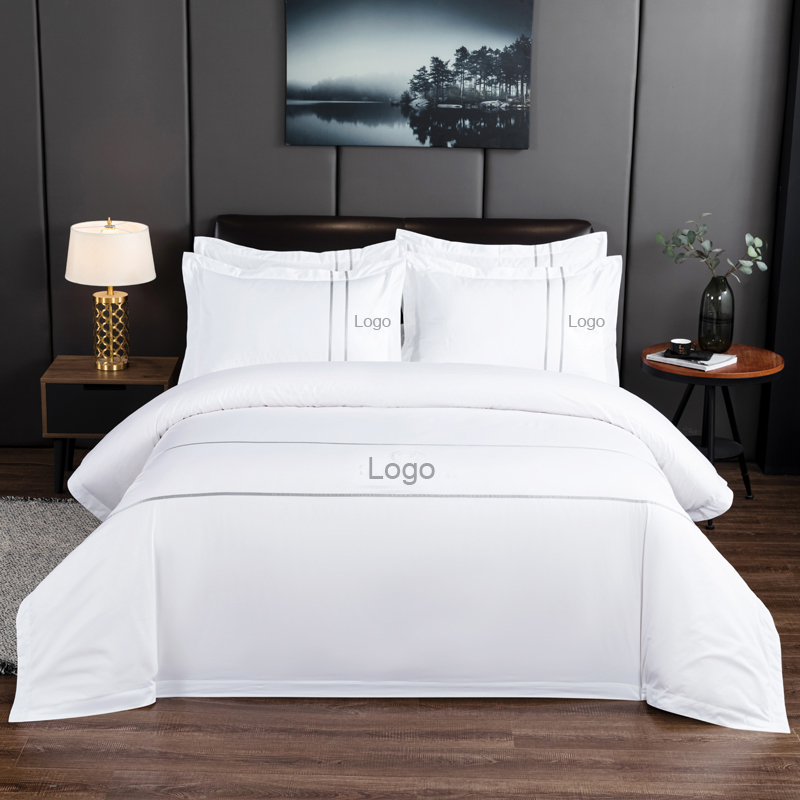
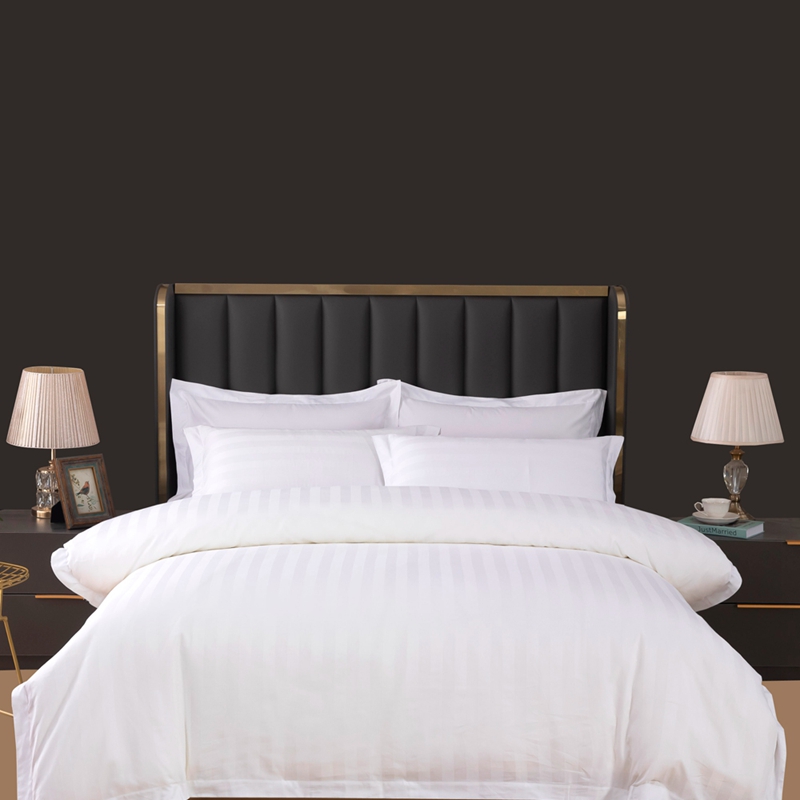
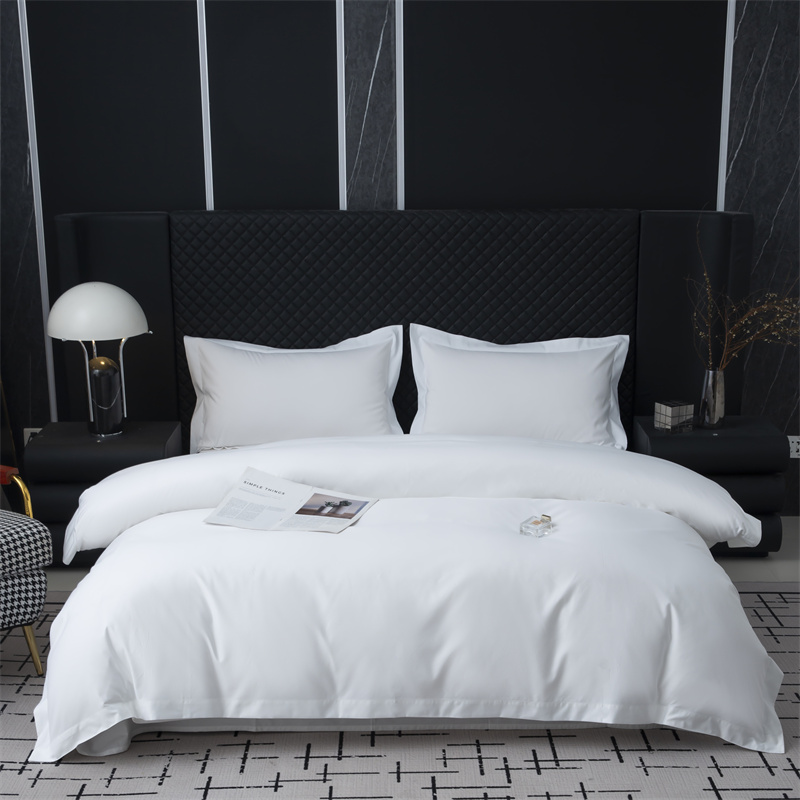
So, what do hotels use for bedding? Most luxury hotels layer five core components — a fitted sheet, a flat sheet, a duvet insert wrapped in a duvet cover, a decorative top sheet or coverlet, and multiple pillows in fresh white cases — all built on 100% cotton sateen or percale sheets with a thread count between 250 and 400. The signature "hotel feel" comes from crisp white cotton, a plush duvet sandwiched between two flat sheets, and a tight hospital-corner tuck, not from exotic or expensive materials.
What Bedding Do Hotels Use? The Short Answer
When people ask what bedding do hotels use, they're usually surprised by how simple the formula actually is. Hotels rely on a consistent, replicable bedding component system: white cotton sheets, a duvet insert, a duvet cover, and stacked pillows — chosen specifically because they're easy to launder commercially, hide stains less obviously than colored linens (white can be bleached repeatedly), and create a universally appealing, neutral aesthetic that suits any guest.
Major hotel chains like Westin, Marriott, and Hilton have spent decades refining this formula. Westin popularized the "Heavenly Bed" in 1999, a layered concept that other chains quickly copied, standardizing what is now the default hotel bed set up across the hospitality industry worldwide.
The Core Components of Bedding Used in Hotels
Understanding the components of bedding starts with separating what touches the mattress from what touches the guest. Every professional bedding component falls into one of three categories: protective layers, sleeping layers, and decorative layers.
| Category | Bedding Component | Purpose |
|---|---|---|
| Protective | Mattress protector | Guards against spills and wear |
| Sleeping | Fitted sheet | Wraps the mattress surface |
| Sleeping | Flat sheet (top sheet) | Barrier between guest and duvet |
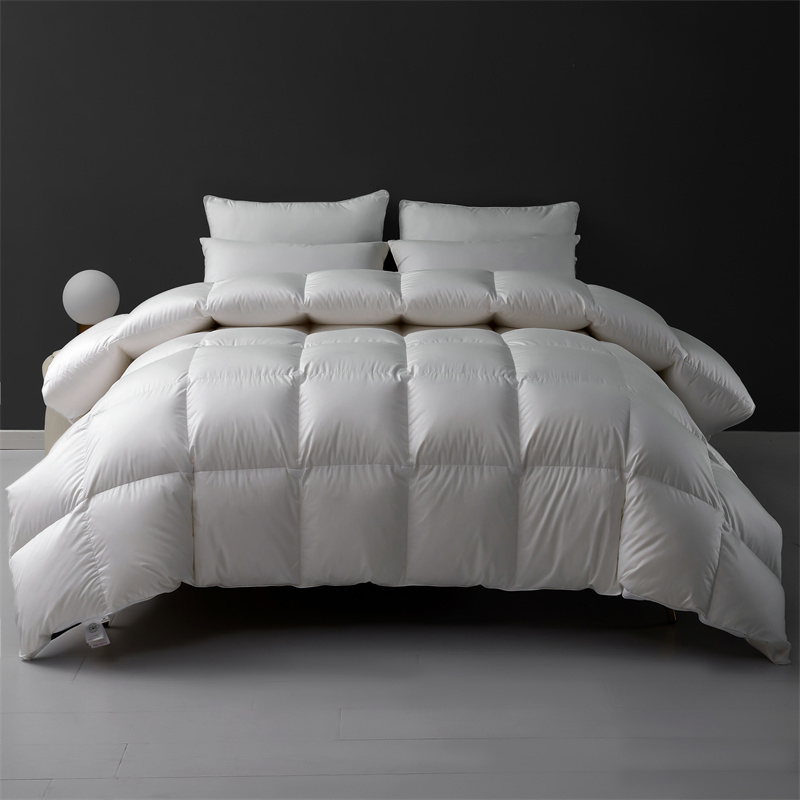
| Sleeping | Duvet insert | Provides warmth and loft |
| Decorative | Duvet cover | Encases duvet, easy to launder |
| Decorative | Pillows and shams | Support and visual layering |
| Decorative | Bed runner or throw | Optional accent layer |
Each bedding component plays a distinct functional role, and hotels rarely skip any of them, because the absence of even one layer — say, a top sheet — immediately makes a bed feel less polished and less "hotel-like."
Parts of Bed Sheets: What Hotels Specify
The parts of bed sheets used in hospitality settings follow strict procurement standards, since sheets endure industrial washing dozens of times per month. Hotels typically specify three sheet types: the fitted sheet, the flat sheet, and sometimes a second flat sheet used purely as a decorative top layer.
Fitted Sheet
The fitted sheet has elasticized corners that stretch over the mattress, anchoring the bedding component system in place. Hotels favor deep-pocket fitted sheets (14–16 inches) to accommodate thicker mattresses and mattress protectors without slipping during nightly turndown service.
Flat Sheet (Top Sheet)
The flat sheet sits directly against the guest and is folded over the top edge of the duvet — a detail responsible for that crisp, structured look seen in nearly every hotel bed set up photo. This sheet component is rectangular, hemmed on all sides, and oversized relative to the mattress to allow for tucking.
Pillowcases
Standard, queen, or king pillowcases complete the sheet set. Hotels typically order pillowcases in bulk multiples of the fitted and flat sheets to maintain a matched, uniform appearance across all rooms.
Bed Sheet Components: Fabric, Weave, and Thread Count
Beyond the physical pieces, the bed sheet components that matter most to hotels are fabric type, weave, and thread count — the variables that determine how a sheet feels and how long it survives commercial laundering. Most hotels use 100% cotton or cotton-rich blends with a thread count between 250 and 400, avoiding ultra-high thread counts (600+) marketed to consumers, because excessively dense weaves trap heat and wear out faster under industrial wash cycles.
| Weave Type | Feel | Typical Thread Count |
|---|---|---|
| Percale | Crisp, matte, cool to the touch | 200–300 |
| Sateen | Smooth, slightly glossy, warmer | 300–400 |
| Cotton-poly blend | Durable, wrinkle-resistant | 180–250 |
Percale is the most common choice for upscale hotels because of its crisp, breathable finish — the same cool, fresh sensation guests describe as "that hotel sheet feeling."
Hotel Bedding Layers: How They Stack From Bottom to Top
The hotel bedding layers follow a specific, repeatable order that housekeeping teams are trained to replicate on every bed, every day. There are typically five to six hotel bedding layers, stacked in this exact sequence:
- Mattress protector — a waterproof or quilted layer fitted directly onto the mattress
- Fitted sheet — wraps the mattress and protector
- Flat sheet — laid flat, tucked at the foot and sides
- Duvet (in its cover) — placed on top, folded over the flat sheet's top edge
- Decorative coverlet or runner — optional, often folded at the foot of the bed
- Pillows — sleeping pillows closest to the headboard, decorative pillows in front
This layering system isn't arbitrary — each hotel bedding layer protects the one beneath it from body oils, spills, and general wear, which is exactly why hotels can keep white linens looking fresh wash after wash for years.
Parts of a Comforter Set vs. the Hotel Duvet System
Many shoppers confuse the parts of a comforter set with the hotel duvet system, but they are structurally different. A traditional comforter set is a single quilted piece, sold as-is, that you place directly on the bed — there's no separate cover, and the comforter itself is decorative as well as functional, typically including matching shams and sometimes a bed skirt.
The hotel system instead separates the insulating layer (the duvet insert) from the decorative layer (the duvet cover), allowing housekeeping to strip and replace just the cover — which touches guests directly — without removing or washing the bulky insert after every stay.
| Feature | Comforter Set | Hotel Duvet System |
|---|---|---|
| Structure | Single quilted piece | Insert + removable cover |
| Washing | Entire piece must be washed | Only the cover is washed regularly |
| Typical includes | Comforter, shams, bed skirt | Duvet insert, duvet cover, sheets |
| Hygiene for shared use | Lower (harder to wash often) | Higher (cover swapped per guest) |
This is precisely why nearly every major hotel chain uses the duvet system rather than a fixed comforter set — it's a practical, hygiene-driven choice as much as an aesthetic one.
Parts of Bed Set and Bed Linen: A Complete Glossary
If you're shopping for hotel-style linens, it helps to know the full vocabulary hotels and suppliers use. The parts of bed set and parts of bed linen terminology overlaps significantly, but each term refers to a specific, purchasable item.
- Fitted sheet: elasticized sheet that wraps the mattress
- Flat sheet: unfitted top sheet, also called a top sheet
- Duvet insert: the filled, quilted insulating layer (down, down-alternative, or synthetic fill)
- Duvet cover: removable, washable fabric shell that encases the duvet insert
- Pillow sham: a decorative pillow cover, often with a flange or trim, distinct from a basic pillowcase
- Pillowcase: a basic, functional cover for sleeping pillows
- Bed skirt (dust ruffle): fabric panel that conceals the box spring and bed frame
- Mattress protector: a thin, often waterproof layer beneath the fitted sheet
- Bed runner/throw: a decorative accent placed across the foot of the bed
Knowing these parts of bedding set terms makes it far easier to shop for individual replacement pieces instead of buying an entire matched set every time one component wears out.
How Do Hotels Make Beds? The Step-by-Step Process
Housekeeping teams follow a standardized routine to ensure every room looks identical, which answers the common question of how do hotels make beds so consistently fast and crisp. Most professional housekeepers can fully make a bed in under five minutes by following this sequence:
- Strip all linens completely and inspect the mattress protector for stains or damage
- Fit the bottom sheet tightly over all four corners, smoothing out wrinkles
- Lay the flat sheet evenly, centering it so overhang is equal on both sides
- Tuck the flat sheet at the foot of the bed using hospital corners for a tight, wrinkle-free finish
- Place the duvet (already in its cover) on top, aligning it evenly with the mattress edges
- Fold the top edge of the flat sheet back over the duvet by about 6–8 inches, creating the signature crisp band
- Fluff and arrange pillows, largest at the back, decorative pillows in front
- Add a folded runner or throw at the foot of the bed for a finished, styled look
The Hospital Corner Technique
The hospital corner — tucking sheet fabric into a tight diagonal fold at each corner — is the single technique most responsible for that taut, wrinkle-free hotel look. It originated in military and hospital settings for efficiency and cleanliness, and hospitality housekeeping adopted it because it keeps sheets secure through a full night of guest movement.
Pillows: How Many Hotels Actually Use and Why
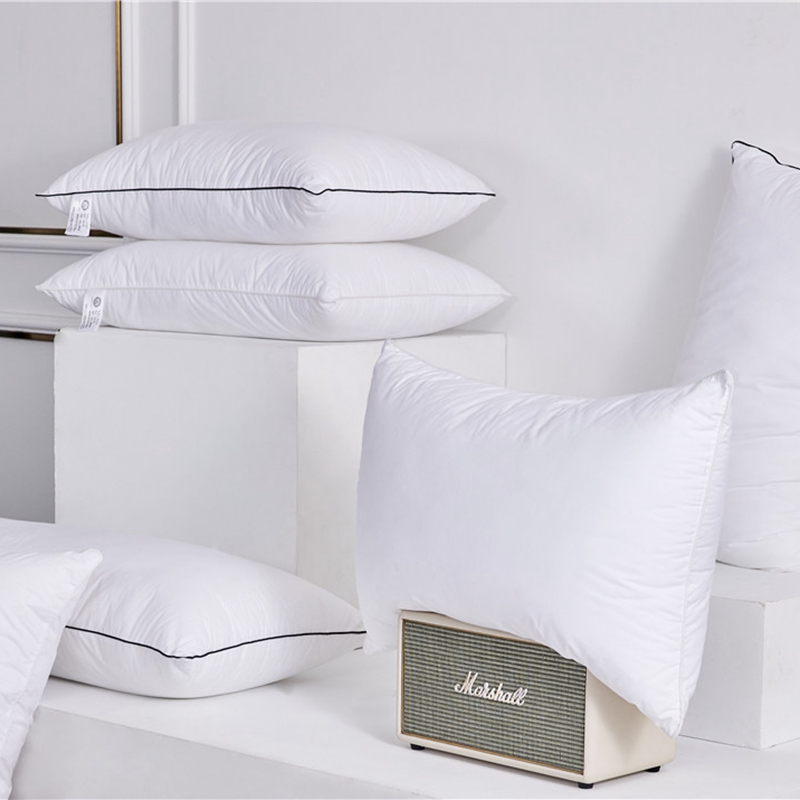
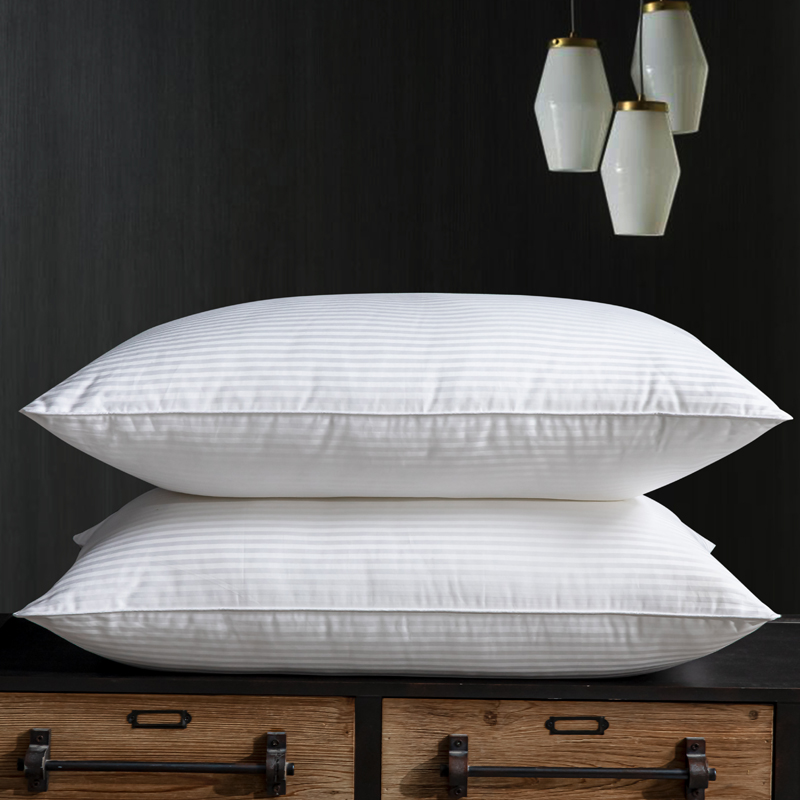
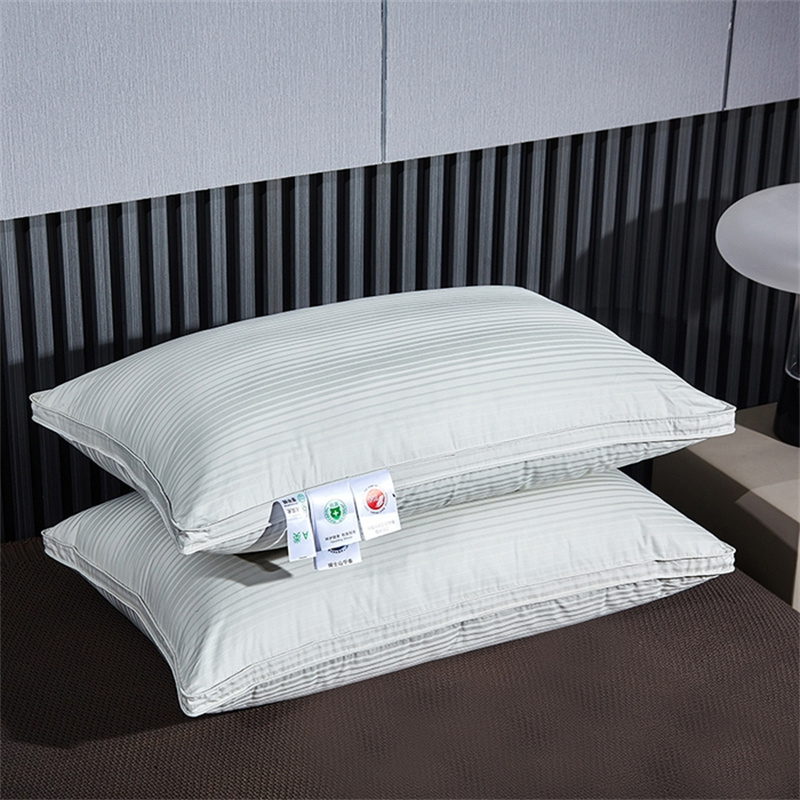
Pillows are one of the most noticeable bedding component categories guests interact with, and hotels are surprisingly deliberate about pillow count and arrangement. Most upscale hotels place four to six pillows on a queen or king bed — typically two firm sleeping pillows, two softer pillows, and one or two decorative accent pillows or a lumbar pillow.
This mix accommodates different guest preferences (side sleepers generally want firmer support, back sleepers prefer softer pillows) without requiring housekeeping to ask each guest individually. Pillow fill is most commonly down-alternative microfiber for hypoallergenic, easy-care performance, though luxury properties sometimes offer a feather or down pillow menu on request.
How to Recreate Hotel Bedding Layers at Home
Once you understand the bedding component system hotels rely on, replicating it at home becomes straightforward. You don't need designer brands — you need the right structure, the right fabric, and the right fold.
- Choose crisp white or cream cotton percale sheets with a 250–400 thread count rather than chasing the highest number on the label
- Buy a duvet insert and duvet cover separately instead of a single fixed comforter, so only the cover needs frequent washing
- Layer a flat sheet between you and the duvet, and fold it back 6–8 inches at the top, just like hotel housekeeping does
- Stack four to six pillows in a mix of firmness, with the largest at the back against the headboard
- Add a folded throw or runner at the foot of the bed for a finished, styled appearance
- Wash all white linens together in hot water to maintain brightness without color transfer
Replicating this setup typically costs far less than people expect — a quality percale sheet set, a duvet insert and cover, and four to six pillows can be assembled for a fraction of what hotels pay in bulk commercial pricing, since you're only outfitting one bed instead of hundreds of rooms.
Frequently Asked Questions About Hotel Bedding
Why are hotel sheets always white?
White sheets can be bleached repeatedly without color loss, which extends their usable life under daily commercial laundering far longer than colored linens — a major cost factor when a hotel is washing thousands of sheets weekly.
Do hotels use a flat sheet, or just a duvet?
Nearly all hotels use a flat sheet beneath the duvet. This sheet acts as a hygienic barrier between the guest and the duvet cover and creates the folded top band that gives hotel beds their structured, tailored appearance.
What thread count do hotels actually use?
Most hotels use sheets in the 250–400 thread count range. Anything significantly higher tends to feel heavier, retain heat, and wear out faster in industrial laundry conditions, so hotels prioritize durability and breathability over marketing-driven thread count numbers.
Do all hotels use the same bedding component setup?
No. Budget and mid-scale hotels often simplify the layering, sometimes skipping the flat sheet or using a single quilted bedspread instead of a duvet system to reduce laundering costs. Upscale and luxury properties almost universally follow the full five-to-six-layer system because it directly correlates with guest satisfaction scores and perceived value.
Can I buy the exact bedding components hotels use?
Yes. Many commercial linen suppliers sell directly to consumers, and several mainstream retailers now market "hotel collection" sheet sets, duvet inserts, and pillows built to the same specifications hotels use — 100% cotton percale or sateen in the 250–400 thread count range, paired with down-alternative duvet inserts and pillows. Searching for hospitality or commercial-grade linen suppliers, rather than only consumer home goods stores, often turns up better pricing on the exact bedding components professional hotels rely on.
How often should I replace each bedding component?
As a general guideline, sheets should be replaced every two to three years with regular home use, duvet inserts every five years, pillows every one to two years, and duvet covers can last much longer since they experience less direct skin contact and friction than sheets. Following this rough replacement schedule keeps every part of your bed set performing and looking close to the standard hotels maintain through their much more frequent commercial replacement cycles.
Keeping a simple written log of purchase dates for each major bedding component — sheets, duvet insert, and pillows — makes it easier to track when replacements are due, rather than relying on visible wear alone, since fabrics can lose loft, breathability, and structural integrity well before they show obvious signs of damage to the naked eye. A quick annual review of your entire bed set, checking each piece against this timeline, is a small habit that keeps your home bedroom consistently close to that polished, well-maintained hotel standard year after year.
The History Behind the Modern Hotel Bedding Layers
The layered, all-white hotel bedding system most travelers associate with luxury today is a relatively recent standardization. Before the late 1990s, many hotels used heavy, patterned bedspreads — a single decorative cover pulled over the entire bed — which were rarely laundered between guest stays due to their bulk and dry-cleaning requirements, raising hygiene concerns that the industry eventually addressed head-on.
In 1999, Westin Hotels introduced the "Heavenly Bed," a layered white duvet system developed in partnership with Simmons Bedding Company, explicitly designed to be washed and replaced after every guest checkout. The concept was an immediate commercial success, reportedly contributing to measurable increases in guest satisfaction and repeat bookings. Competing chains — including Marriott, Hilton, and Hyatt — quickly introduced their own versions, and within a decade, the all-white, duvet-based bedding component system became the de facto industry standard worldwide.
Why the Format Spread So Quickly
Beyond guest appeal, the format solved a major operational problem: traditional bedspreads required specialized dry cleaning and could not be washed after every stay, while duvet covers and flat sheets could go straight into standard industrial washing machines. This made the new hotel bed set up both more hygienic and significantly cheaper to maintain at scale, which is why it spread across the industry so rapidly.
Mattress and Foundation: The Layer Beneath the Bedding
While bedding components get most of the attention, the mattress and foundation underneath play an equally important role in the overall hotel sleep experience. Most upscale hotels replace mattresses every seven to ten years and favor medium-firm hybrid or pocketed-coil mattresses that balance guest comfort preferences without leaning too soft or too firm for the average sleeper.
Mattress Toppers
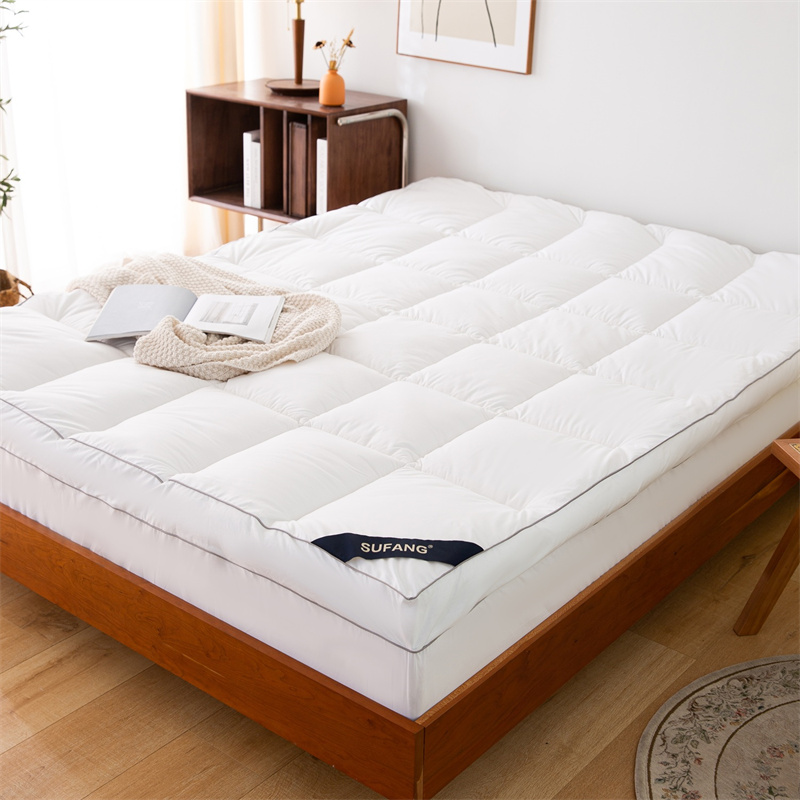
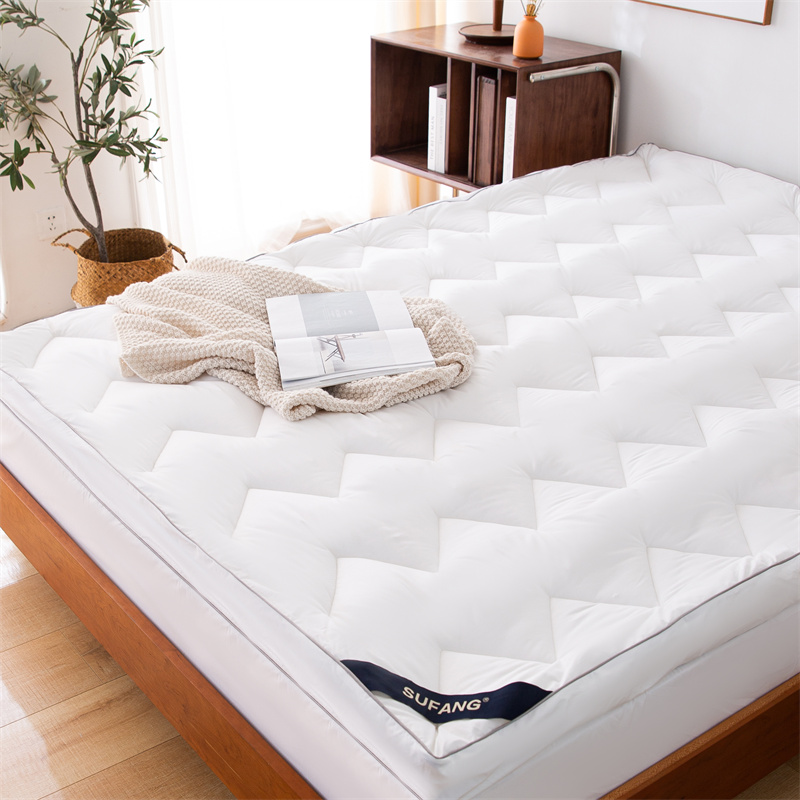
Many hotel chains add a plush mattress topper — often a feather bed, gel-infused foam pad, or down-alternative quilted topper — directly beneath the fitted sheet. This extra layer softens the sleep surface and extends the usable life of the mattress itself by reducing direct wear, while contributing to the noticeably plush, "sinking in" feeling guests often describe.
Box Spring or Foundation
Beneath the mattress, hotels typically use a low-profile foundation or box spring designed to match the mattress height precisely, ensuring the fitted sheet's deep pockets fit snugly without bunching or slipping during the night.
Duvet Insert Fill: What's Actually Inside
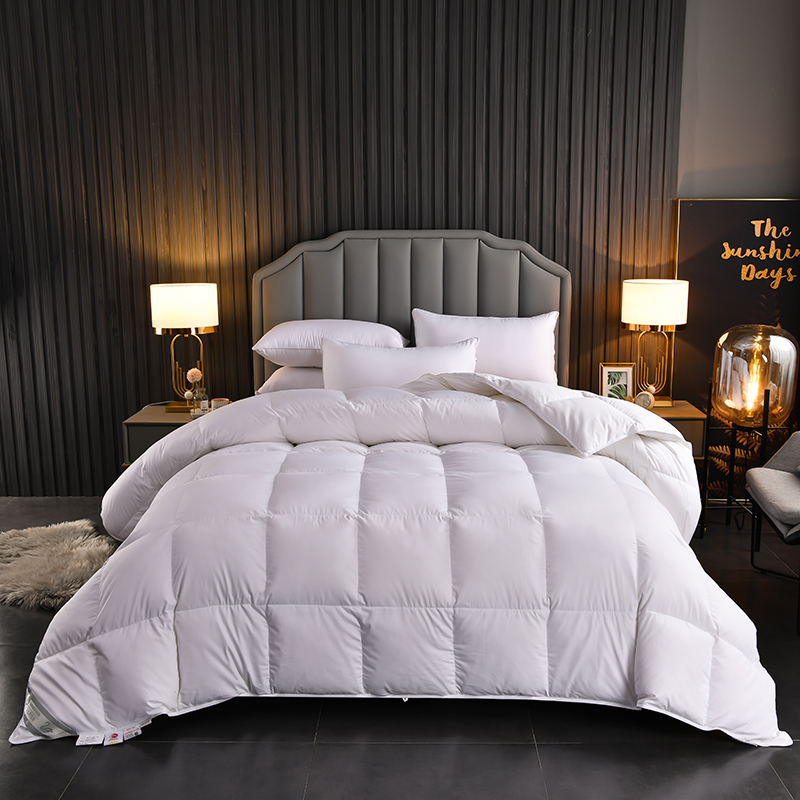
The duvet insert is arguably the most important bedding component for comfort, and hotels are particular about fill type for both guest experience and liability reasons. The overwhelming majority of hotels use down-alternative microfiber fill rather than natural down, primarily because microfiber fill is hypoallergenic, machine-washable, and far less expensive to replace than genuine down at scale.
| Fill Type | Pros | Common In |
|---|---|---|
| Down-alternative microfiber | Hypoallergenic, affordable, washable | Most mid-scale and upscale hotels |
| Genuine down/feather blend | Premium loft, lightweight warmth | Luxury and boutique properties |
| Synthetic polyester batting | Lowest cost, very durable | Budget and economy hotels |
Some luxury hotels offer a pillow and duvet "menu," allowing guests to request feather, hypoallergenic, or firmer alternatives — a small operational detail that significantly boosts perceived personalization without major cost increases.
Commercial Laundering: Why Hotel Bedding Lasts and Stays White
The longevity and brightness of hotel bedding components owe as much to laundering practices as to the materials themselves. Hotels typically wash linens in industrial machines at water temperatures of 160°F (71°C) or higher, using commercial-grade detergents and oxygen-based bleaching agents that consumer washing machines and detergents generally cannot match.
This high-heat, high-volume laundering process is also why hotels favor durable percale and sateen weaves over delicate specialty fabrics — materials that can't withstand commercial washing simply aren't viable at scale, regardless of how luxurious they might feel initially. Most hotel sheet sets are rated for 200 to 300 industrial wash cycles before being retired, which roughly translates to 12–18 months of daily hotel use before replacement.
Replicating This Freshness at Home
At home, you can approximate hotel-level freshness by washing white sheets separately in hot water with a non-chlorine oxygen bleach, drying thoroughly to prevent mildew odors, and replacing sheet sets roughly every two to three years — far less frequently than hotels, since home laundering is gentler and less frequent.
Budget vs. Luxury Hotel Bedding: What Actually Differs
Not every hotel invests in the full layered system, and understanding the differences helps set realistic expectations when comparing properties or shopping for your own bedding. The biggest differentiator between budget and luxury hotel bedding isn't thread count — it's the number of layers and the quality of the duvet fill.
- Budget hotels: often use a single quilted bedspread or thinner duvet, polyester-blend sheets, and two standard pillows
- Mid-scale hotels: typically include a fitted sheet, flat sheet, basic duvet system, and three to four pillows
- Luxury hotels: use the full five-to-six-layer system with high-quality cotton percale, premium duvet fill, four to six pillows, and additional decorative runners or throws
Interestingly, the actual sheet fabric cost difference between budget and luxury tiers is often smaller than guests assume — much of the "luxury" perception comes from layering, pillow abundance, and immaculate presentation rather than dramatically more expensive raw materials.
Common Mistakes When Recreating Hotel Bedding at Home
Many people try to replicate the hotel bed set up but fall short because they focus on the wrong details. The most common mistake is buying the highest thread count sheets available, assuming higher always means better — when in reality, hotels intentionally choose moderate thread counts for breathability and durability, not luxury marketing numbers.
- Skipping the flat sheet: using only a duvet cover without a top sheet removes the structured fold that defines the hotel look
- Using a fixed comforter instead of a duvet system: this makes regular washing far more difficult and reduces the crisp, hotel-style finish
- Under-pillowing the bed: two pillows rarely achieve the layered, plush look hotels create with four to six pillows of varying firmness
- Mixing colors or patterns: hotels rely on monochromatic white or cream palettes because color consistency reads as "clean" and "put together" at a glance
- Skipping the hospital corner tuck: a loosely draped flat sheet undermines the crisp, tailored appearance even with high-quality linens
Shopping Guide: Buying Hotel-Quality Bedding Components
If you're ready to shop, knowing exactly which bedding component to prioritize first makes the biggest difference in budget allocation. Start with the flat and fitted sheets, since they touch your skin directly every night, then move to the duvet insert and cover, and finish with pillows.
| Priority | Component | What to Look For |
|---|---|---|
| 1 | Fitted and flat sheets | 100% cotton percale, 250–400 thread count |
| 2 | Duvet insert | Down-alternative, medium-weight fill |
| 3 | Duvet cover | Matching cotton fabric, button or zip closure |
| 4 | Pillows | Mix of firm and soft, down-alternative fill |
| 5 | Mattress topper | Gel-infused foam or quilted down-alternative |
Final Thoughts: The Hotel Bedding Formula Is Simpler Than It Looks
Understanding what do hotels use for bedding ultimately comes down to a repeatable system rather than secret luxury materials: crisp white cotton sheets in a moderate thread count, a duvet insert protected by a washable cover, a generous pillow arrangement, and meticulous, consistent bed-making technique. None of these individual components are exotic or unaffordable — the "five-star feel" comes from the structure, the layering order, and the precision of execution, all of which are entirely achievable in a home bedroom with the right shopping list and a little practice with hospital corners.
Whether you're outfitting a guest room, a short-term rental property, or simply upgrading your own sleep space, focusing on the core bedding component categories — protective, sleeping, and decorative layers — gives you a clear, practical framework for recreating that hotel-quality bed setup without guesswork or unnecessary expense.
Seasonal Adjustments to Hotel Bed Sheets Layers
Properties in regions with distinct seasons often adjust their hotel bed sheets layers to match guest comfort expectations throughout the year. Many hotels swap duvet weight seasonally — a lighter, lower-fill-power duvet in summer and a heavier, higher-loft duvet in winter — while keeping the sheet and pillow components unchanged, since sheets and pillows are climate-neutral but insulation needs shift dramatically with ambient temperature.
Resort properties in consistently warm climates frequently skip the heavier duvet altogether, opting instead for a lightweight cotton blanket or coverlet as the top hotel bedding layer, paired with efficient air conditioning to manage guest comfort rather than relying on insulation. This regional flexibility shows that while the core bedding component structure stays consistent, hotels do fine-tune individual layers based on climate, guest demographics, and seasonal occupancy patterns.
Climate-Specific Examples
A mountain lodge in a cold climate might use a heavyweight down-alternative duvet rated for cooler room temperatures, plus an extra wool or cotton blanket folded at the foot of the bed for guests who run cold. A beachfront resort, by contrast, often uses a lightweight muslin or waffle-weave coverlet instead of a full duvet, prioritizing breathability over warmth while still preserving the layered, structured look guests expect from upscale hospitality bedding.
How Hotels Source and Standardize Bedding Across Properties
Large hotel chains don't leave bedding choices to individual property managers — sourcing is centralized to guarantee a consistent guest experience across every location. Major chains issue detailed brand standards manuals specifying exact thread count, fabric composition, color (almost always bright white or warm white), and even the precise fold width for the flat sheet's top band.
These specifications are typically negotiated with a small number of approved commercial linen suppliers who can guarantee consistent quality and volume pricing across hundreds or thousands of properties. This centralized approach is why a guest can stay at the same hotel brand in two different countries and experience an almost identical hotel bed set up — the bedding components are essentially the same SKU, ordered from the same supply chain, regardless of location.
Independent and Boutique Hotels
Independent boutique hotels have more flexibility and often use this freedom to differentiate themselves — sourcing linen from specialty mills, using higher-end Egyptian or Pima cotton, or incorporating locally relevant textile traditions into their decorative bedding layers. However, even these independent properties typically still follow the same fundamental layering logic: protective base, sleeping layer, insulating layer, and decorative finish.
Sustainability Trends in Hotel Bedding Components
As sustainability becomes a bigger factor in hospitality purchasing decisions, many hotel groups are re-evaluating traditional bedding component choices. Organic cotton, OEKO-TEX certified textiles, and recycled-fiber duvet fills are increasingly common in mid-scale and luxury properties seeking to reduce environmental impact without sacrificing the guest-facing quality of their bed sheet components.
Linen reuse programs — where hotels ask guests whether they'd like sheets changed daily or only every few days — have also become standard practice, reducing water and energy consumption from commercial laundering without compromising the perceived freshness of the room. Some properties are experimenting with longer-lasting synthetic-blend sheets that maintain a soft hand-feel while requiring fewer replacement cycles, directly reducing textile waste over the life of a property's linen inventory.
Hotel Bedding vs. Airbnb and Short-Term Rental Bedding
Short-term rental hosts often ask whether they should follow the same bedding component approach as traditional hotels, and the answer is generally yes, with a few practical adjustments. Hosts managing their own laundry (rather than using a commercial laundering service) should prioritize durable, easy-care cotton-polyester blend sheets over delicate high-thread-count cotton, since home washing machines and dryers are gentler but also slower and less frequent than commercial hotel laundry operations.
Many successful short-term rental hosts replicate the core hotel bed set up — fitted sheet, flat sheet, duvet system, and four pillows — because guest reviews consistently mention bedding quality as a top factor in overall satisfaction ratings. Investing in two complete sets of each bedding component per bed allows hosts to swap linens between guest stays even when laundering takes a full day, mirroring the operational logic hotels use at a much larger scale.
Budget-Friendly Tips for Hosts
Buying bedding components in bulk multiples (rather than as a single matched set) gives hosts more flexibility to mix and replace individual pieces as they wear out, rather than discarding an entire coordinated set because one pillowcase developed a stain. White or light neutral colors remain the smartest choice for rental properties for the same reason hotels use them: they can be bleached and restored to a fresh appearance far more easily than patterned or colored alternatives.
Caring for Hotel-Style Bedding Long-Term
Once you've assembled a hotel-quality bedding component set at home, proper care extends its lifespan and keeps it looking fresh far longer than neglecting basic maintenance. Washing white cotton sheets in hot water (around 130–140°F) with a mild detergent, and avoiding fabric softener, preserves the crisp, breathable hand-feel that defines percale and sateen weaves — fabric softener coats fibers and gradually reduces breathability and absorbency over repeated washes.
- Wash new sheets before first use to remove manufacturing residues and soften the fabric
- Rotate between at least two sheet sets so each set gets adequate rest between washes
- Air out duvet inserts periodically, since trapped moisture can lead to odor or mildew over time
- Fluff pillows daily and replace down-alternative pillows every one to two years for consistent loft and support
- Spot-treat stains immediately rather than waiting for a full wash cycle, since set-in stains are far harder to remove from white cotton
With reasonable care, a well-chosen set of hotel-style bedding components can comfortably last two to three years of regular home use before noticeable fabric degradation occurs — a much longer lifespan than hotels typically get, simply because home washing is far less frequent and less abrasive than industrial laundering cycles.
Quick Reference: Hotel Bedding Component Checklist
For anyone ready to shop, here is a condensed checklist summarizing every part of bedding set discussed throughout this guide, organized in the order hotels typically layer them onto a bed.
- Mattress (medium-firm, replaced every 7–10 years)
- Mattress topper or featherbed (optional but common in luxury properties)
- Mattress protector (waterproof or quilted)
- Fitted sheet (deep-pocket, 100% cotton percale)
- Flat sheet (matching fabric, generously sized for tucking)
- Duvet insert (down-alternative or genuine down fill)
- Duvet cover (matching white or cream cotton)
- Four to six pillows (mixed firmness)
- Pillow shams or decorative pillows (optional)
- Bed runner or folded throw (optional finishing touch)
Working through this checklist in order ensures you don't accidentally skip a foundational bedding component, which is the most common reason a home bed setup falls short of the polished, layered look guests associate with high-end hospitality.
Putting It All Together
The appeal of a great hotel bed rarely comes down to a single secret ingredient — it's the cumulative effect of getting every bedding component right at once: a supportive mattress, a breathable cotton sheet set, a properly filled duvet protected by a removable cover, a generous and varied pillow arrangement, and a crisp, consistent fold at every corner. Skip any one of these pieces, and the whole effect weakens noticeably, even if the remaining components are individually high quality.
The good news for anyone trying to recreate this experience at home, in a guest room, or across an entire short-term rental portfolio is that none of it requires guesswork anymore. The hospitality industry has spent over two decades refining and standardizing this exact layering system, which means the formula is well documented, widely available through ordinary retailers, and surprisingly affordable to assemble piece by piece. Start with quality sheets, add a proper duvet system, stack a few extra pillows, and finish with careful, deliberate bed-making — and that five-star feel becomes far more achievable than most people expect.
At its core, the question of what do hotels use for bedding has a refreshingly practical answer: not magic, not unattainable luxury fabrics, but a thoughtful combination of durable materials, smart layering, and consistent execution. Once you understand each bedding component and how it fits into the larger system, you have everything you need to bring that same polished, restful atmosphere into your own home, one carefully chosen layer at a time.
Новости
-
Материалы для одеял для отелей: объяснение микрофибры и пуха Введение в Отель Дувет Материалы Гостиничные одеяла – это больше, чем просто постельное бель...
READ MORE -
Почему на кровати в отеле хочется спать на облаке Есть особый момент, который знает каждый путешественник. Вы откидываете хрустящие белые простыни роскошной гостиничной крова...
READ MORE -
Почему стоит выбрать постельное белье гостиничного типа? Выбор комплект постельного белья в гостиничном стиле — это один из самых простых способов мгновенно превра...
READ MORE

Список продукции
 Комплект постельного белья для отелей
 +86-180 6864 1189
 +86-(0)513 86311444
 Зона F, Промышленный район Чуаньцзян, Тунчжоу, г. Наньтун, провинция Цзянсу, Китай
Авторское право © Nantong Sufang Textile Co., Ltd. Все права защищены.
Поставщики постельного белья для отелей по индивидуальному заказу