
 English
 русский
 Español
 عربى
عربى
Главная / Новости / Новости отрасли / What Makes a Hotel Bedding Set So Comfortable—And How Can You Recreate That Luxury at Home?
What Makes a Hotel Bedding Set So Comfortable—And How Can You Recreate That Luxury at Home?


What Makes a Hotel Bedding Set So Comfortable—And How Can You Recreate That Luxury at Home?
15-06-2026
Контент
- 1 The Short Answer: It's the Layering System, Not Just the Sheets
- 2 Breaking Down the Components of Bedding: What's Actually on a Hotel Bed
- 3 Parts of Bed Sheets: Understanding Each Sheet Type
- 4 Parts of a Comforter Set vs. Hotel Duvet Systems
- 5 How Do Hotels Make Beds? The Step-by-Step Process
- 6 What Bedding Do Hotels Use? Material and Thread Count Breakdown
- 7 Bed Linen Parts: The Full Inventory List Hotels Order
- 8 Parts of Bed Set: Pillow Configuration Hotels Use
- 9 Step-by-Step: Recreating the Hotel Bedding Set at Home
- 10 Frequently Asked Questions
The Short Answer: It's the Layering System, Not Just the Sheets
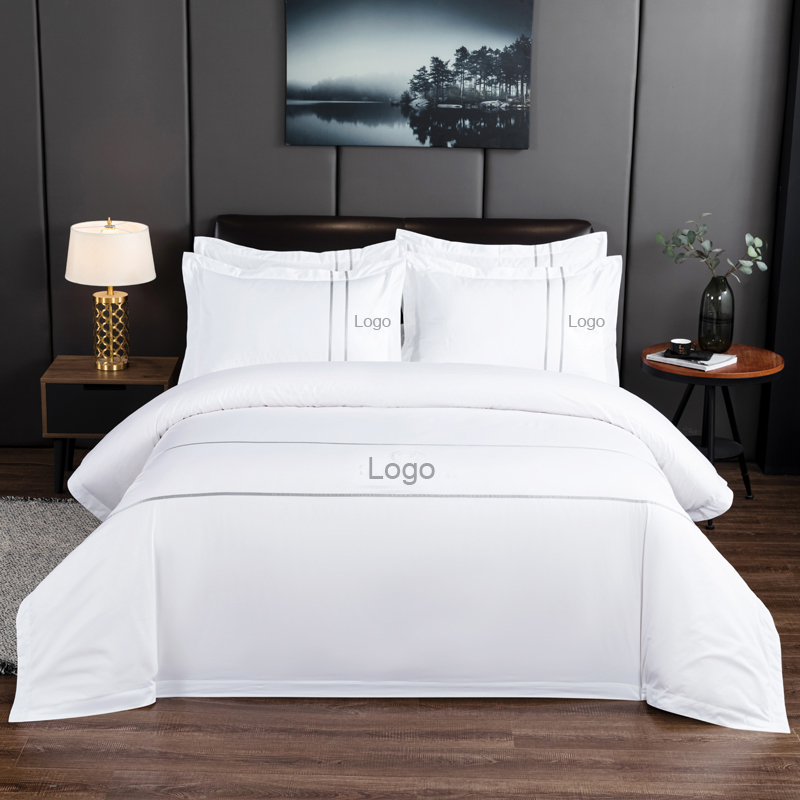
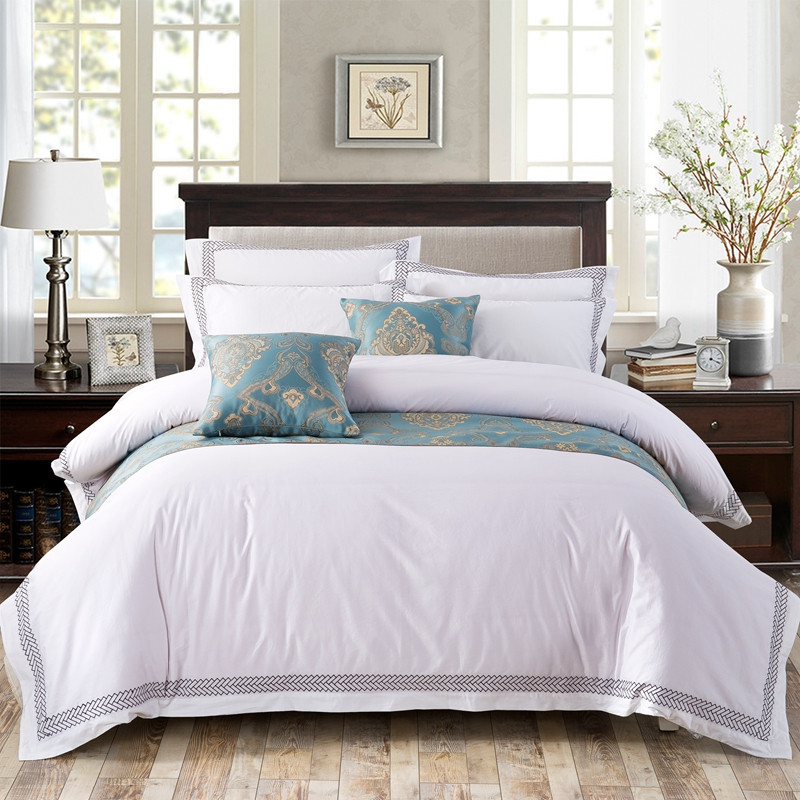
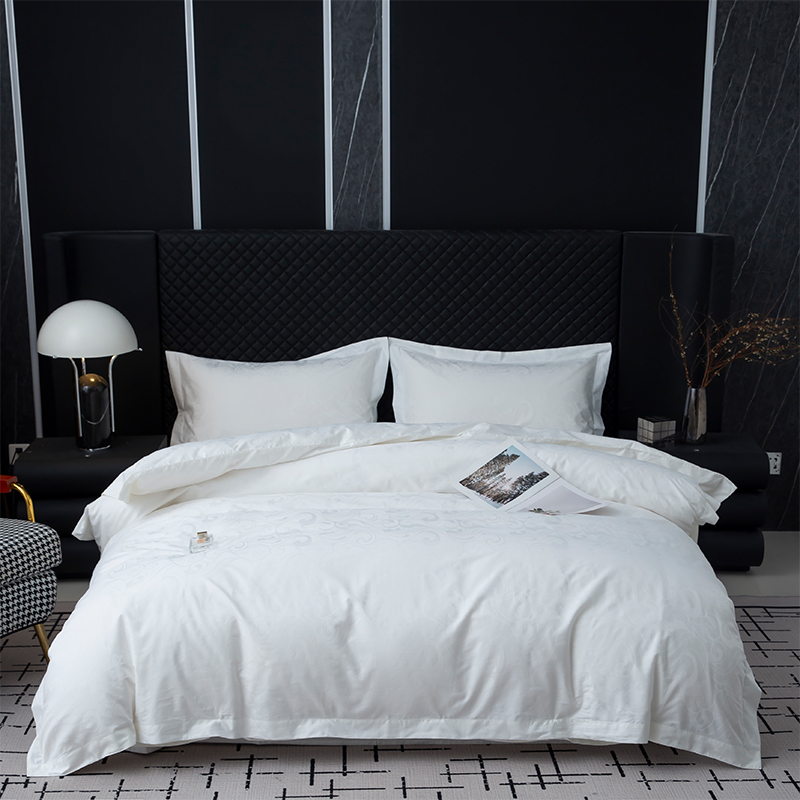
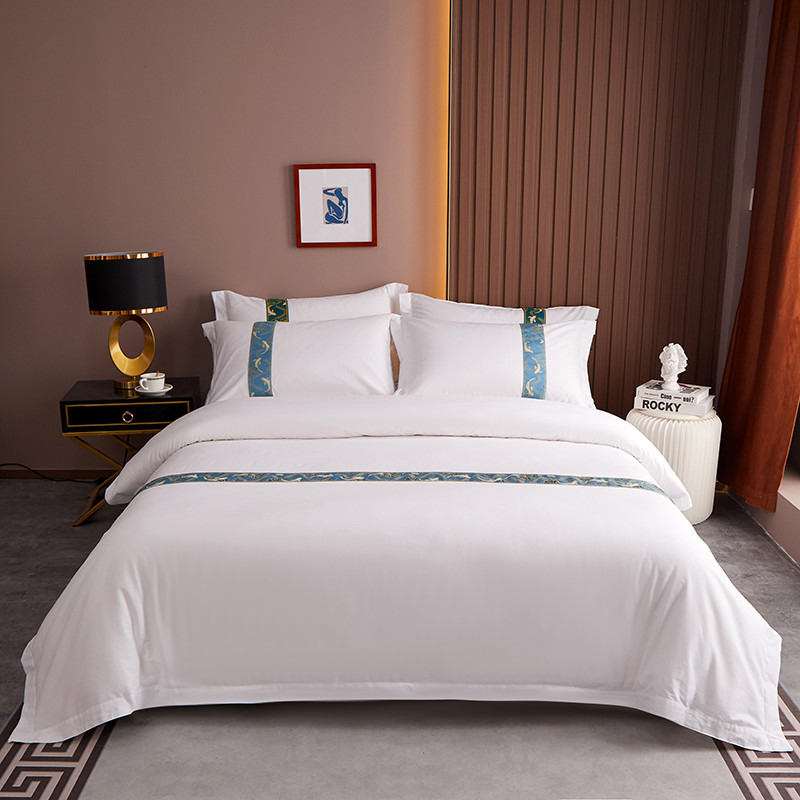
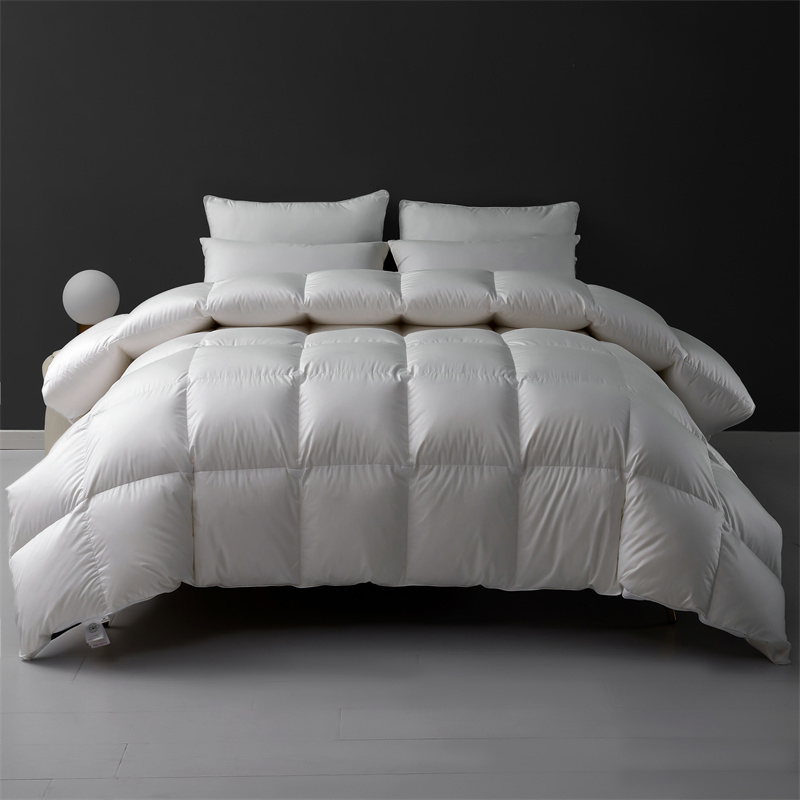
If you've ever wondered why a hotel bed feels so much better than your own, the answer is simple: it's not one magic product, it's a layered system. Hotels rely on a consistent, repeatable hotel bed set up that combines a high-thread-count flat sheet, a fitted sheet, a duvet insert wrapped in a duvet cover, a decorative top sheet or coverlet, and carefully chosen pillows. Each layer has a specific job—temperature regulation, softness, structure, and visual appeal.
When people ask what do hotels use for bedding, they're usually surprised to learn that most luxury hotels use surprisingly simple, durable materials—often 100% cotton or cotton-blend percale or sateen sheets between 250-400 thread count, a white duvet system, and 2-4 pillows per guest with different firmness levels. The "secret" is less about exotic fabric and more about consistency, crispness, and proper layering.
You can recreate this at home for under $300 by focusing on three things: a properly sized duvet insert (one size up from your mattress), high-quality cotton sheets in white or neutral tones, and a pillow combination that mixes support and softness. The rest of this article breaks down every part of bedding set components so you can shop smart and assemble your own hotel-style bed.
Breaking Down the Components of Bedding: What's Actually on a Hotel Bed
To understand the components of bedding used in hotels, it helps to think of a bed as having distinct functional layers, each stacked from the mattress up. Most professional housekeeping training manuals describe between 5 and 7 layers depending on the hotel's standard.
The Standard Hotel Bedding Layers (Bottom to Top)
| Layer # | Component | Function |
|---|---|---|
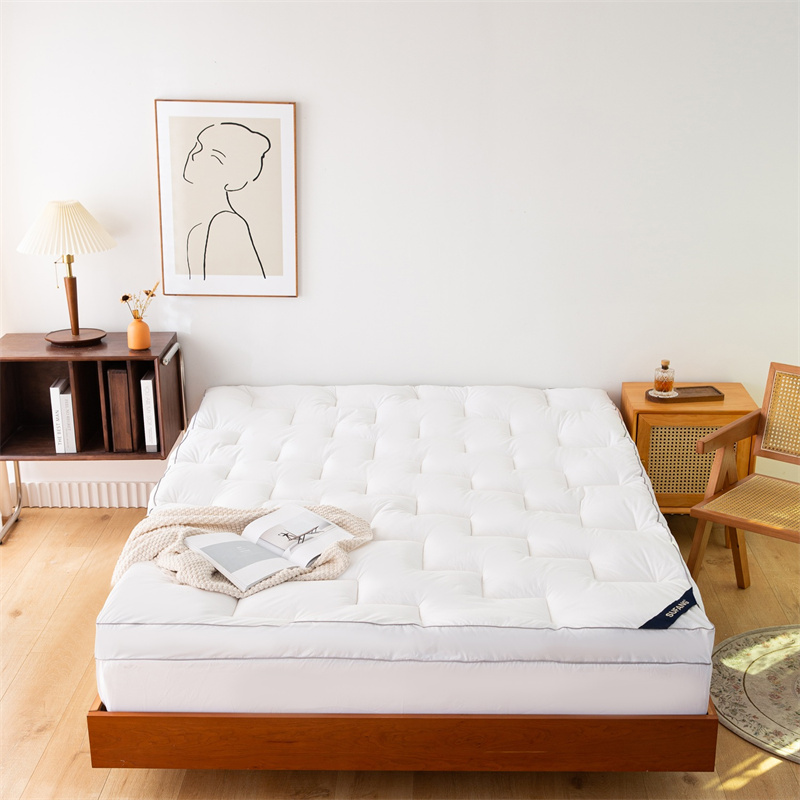
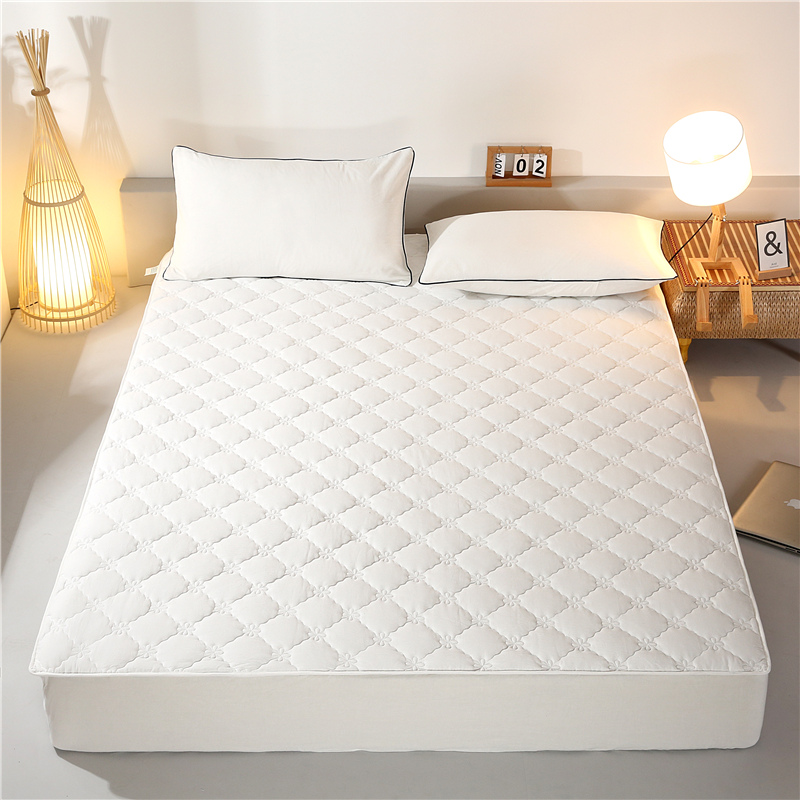
| 1 | Mattress Protector | Waterproofing & hygiene barrier |
| 2 | Fitted Sheet | Snug base layer, soft against skin |
| 3 | Flat Sheet | Barrier between body and duvet |
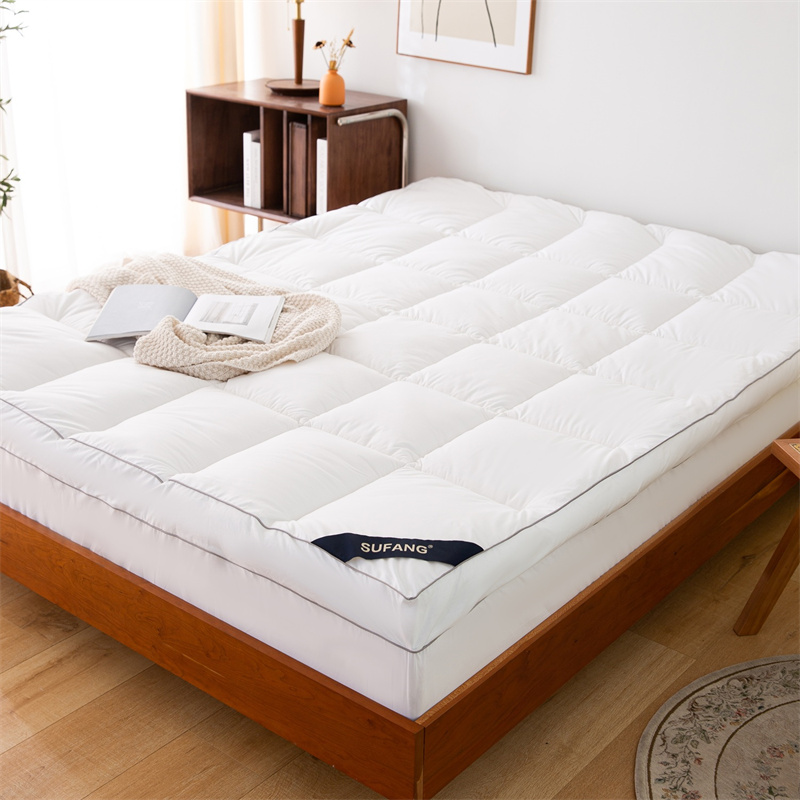
| 4 | Duvet Insert | Insulation & loft |
| 5 | Duvet Cover | Protects insert, easy to wash |
| 6 | Pillows & Shams | Head/neck support, visual styling |
| 7 | Throw / Runner | Decorative accent (optional) |
This same structure answers the broader question of bedding component organization for any bed—home or hotel. Each piece is interchangeable and washable independently, which is exactly why hotels can turn over a room in under 10 minutes while still looking pristine.
Parts of Bed Sheets: Understanding Each Sheet Type
When discussing parts of bed sheets, hotels typically use three distinct types, each cut and hemmed differently for its specific role.
1. Fitted Sheet
Has elasticized corners that wrap around the mattress. Hotels often use deep-pocket versions (up to 18 inches) to accommodate thick pillow-top mattresses without slipping.
2. Flat Sheet
A large rectangular sheet, usually with one hemmed edge wider than the other (the top hem can be 4-6 inches). In hotels, this sheet is tucked under the mattress at the foot and sides, then folded over the top of the duvet at the head—creating that crisp "envelope" look.
3. Pillowcases / Shams
Standard pillowcases (envelope closure) are used for sleeping pillows, while decorative shams (often with a zipper or overlapping flap closure) cover extra accent pillows.
Common bed sheet components measurements for reference:
- Twin flat sheet: 66" x 96"
- Queen flat sheet: 90" x 102"
- King flat sheet: 108" x 102"
- Standard pillowcase: 20" x 26"
- King pillowcase: 20" x 36"
Parts of a Comforter Set vs. Hotel Duvet Systems
A common point of confusion is the difference between a retail "comforter set" and what hotels actually use. Understanding the parts of a comforter set helps explain why hotel beds feel different even when the materials seem similar.
A Typical Retail Comforter Set Includes:
- One quilted comforter (decorative fabric sewn directly to the fill)
- 2 standard shams
- 1-2 decorative pillows
- Sometimes a bed skirt
The Hotel Duvet System Instead Uses:
- A plain white duvet insert (the actual fill, often 233-400 thread count cotton shell)
- A removable duvet cover (the only piece that changes between guests)
- A flat sheet folded over the top
The major advantage of the hotel approach: only the duvet cover and sheets need to be laundered between guests, while the insert itself is only deep-cleaned periodically (often every 3-6 months). This is far more efficient than washing an entire quilted comforter, and it's the single biggest reason hotel beds feel fluffier—duvet inserts are typically rated 300-700 GSM (grams per square meter) of fill, far more than the thin batting in most retail comforters.
How Do Hotels Make Beds? The Step-by-Step Process
Understanding how do hotels make beds reveals techniques you can copy at home in under 5 minutes once you have the right pieces. Most luxury hotel chains train housekeeping staff on a standardized 8-step sequence:
- Strip the bed completely and inspect the mattress protector.
- Fit the bottom sheet tightly, corners pulled taut (hospital corners if using a flat bottom sheet).
- Lay the flat sheet, centered, with equal overhang on both sides.
- Place the duvet insert (inside its cover) on top, aligned with the head of the bed.
- Fold the flat sheet's top edge down over the duvet by 12-16 inches, creating a clean band.
- Tuck the sides and foot of both sheet and duvet under the mattress, pulling tight for a smooth, wrinkle-free surface.
- Add pillows: 2 sleeping pillows in cases, then 2 decorative shams in front, often standing upright against the headboard.
- Add a folded runner or throw across the foot of the bed for visual contrast (optional but common in 4-5 star properties).
The biggest technical difference from home-made beds is the tension. Hotel staff pull each layer drum-tight before tucking, which eliminates wrinkles and creates the smooth, "pressed" appearance guests associate with luxury—even though the sheets are just regular cotton percale.
What Bedding Do Hotels Use? Material and Thread Count Breakdown
A direct answer to what bedding do hotels use: the overwhelming majority use 100% cotton in either percale or sateen weave, in thread counts between 200 and 400. Higher-end properties (5-star) may go up to 600-1000, but anything beyond 400 offers diminishing returns in actual feel.
| Hotel Tier | Common Thread Count | Weave Type | Duvet Fill Weight |
|---|---|---|---|
| Budget (2-3 star) | 180-200 | Percale, poly-cotton blend | 200-300 GSM |
| Mid-range (3-4 star) | 250-300 | Percale or sateen, 100% cotton | 300-450 GSM |
| Luxury (5 star) | 300-600+ | Sateen, Egyptian/Pima cotton | 500-700 GSM |
Color choice matters too: over 90% of hotels use white or off-white bedding, not because it's "luxurious" by itself, but because it's the easiest color to bleach, inspect for stains, and replace in batches—and white visually signals "clean" to guests instantly.
Bed Linen Parts: The Full Inventory List Hotels Order
Hotel procurement departments order bed linen parts in standardized "pars" (par stock = the quantity needed to keep one set in use, one in laundry, and one in storage). A typical par-3 system for one king room includes:
- 3x fitted sheets (king)
- 3x flat sheets (king)
- 3x duvet covers (king)
- 1x duvet insert (replaced every 1-2 years)
- 8-12x pillowcases (4 pillows x 2-3 rotations)
- 4x pillows (mix of firm and soft)
- 1x mattress protector
This par system is worth copying at home for any guest room or master bedroom—having at least 2 full sets per bed means you always have clean linens ready while the other set is being washed.
Parts of Bed Set: Pillow Configuration Hotels Use
Among all parts of bed set components, pillows have the biggest impact on personalized comfort. Most hotels follow a 4-pillow standard for queen/king beds:
Standard 4-Pillow Setup
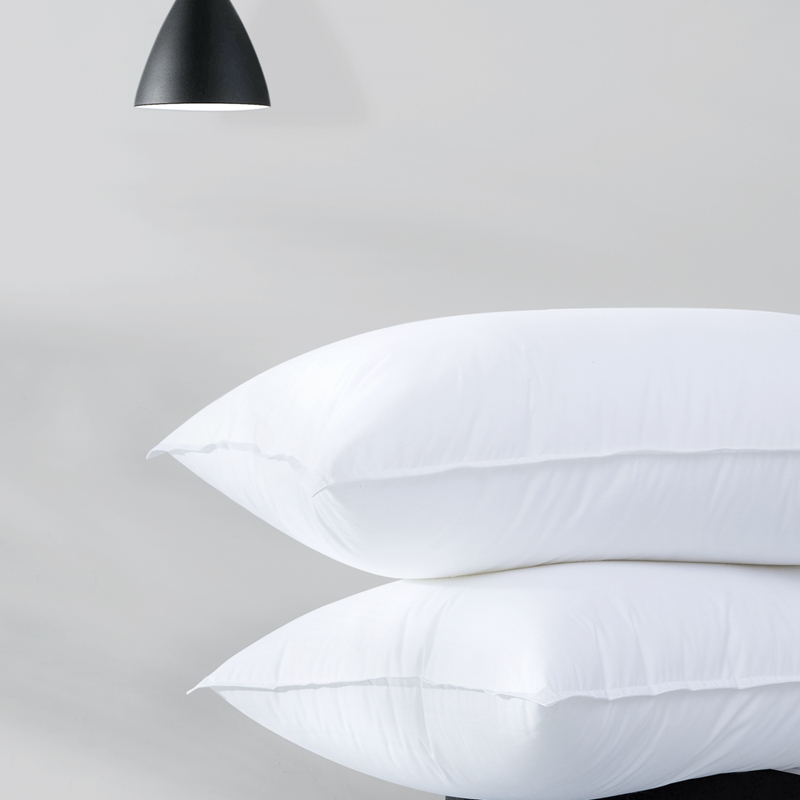
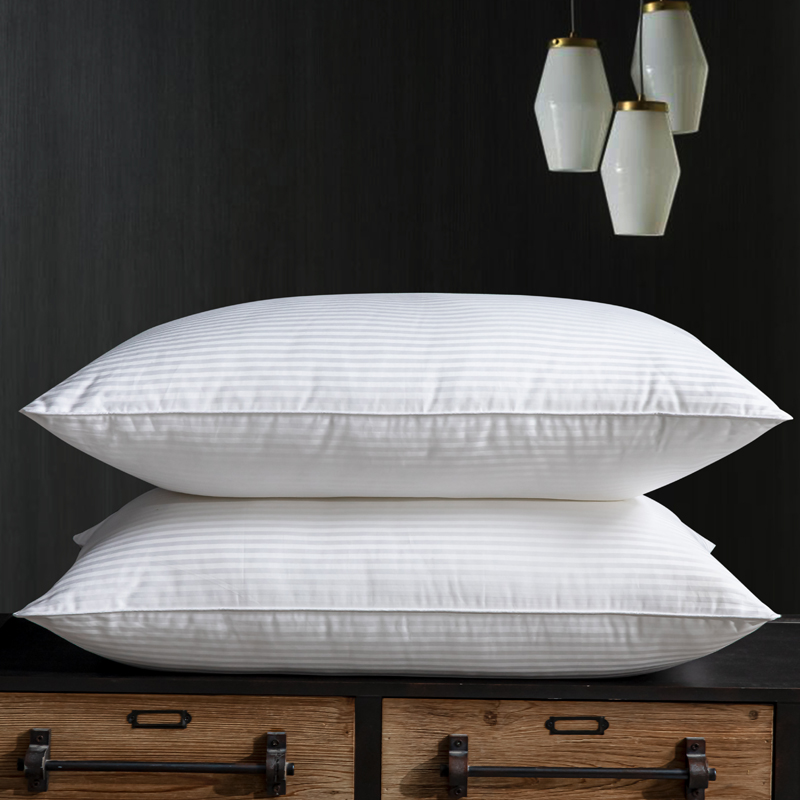
- 2x medium-firm pillows (the everyday sleeping pillows, usually down-alternative or feather/down blend)
- 2x soft/decorative pillows (placed in front, often slightly smaller European squares)
Many upscale hotels also offer a "pillow menu"—firm, soft, memory foam, or hypoallergenic options on request. At home, you can replicate this by buying 2 firm support pillows and 2 soft decorative pillows, giving guests a choice without overcrowding the bed.
Step-by-Step: Recreating the Hotel Bedding Set at Home
Now that you understand every parts of bedding set component, here's a practical shopping and assembly plan to recreate the hotel look and feel.
Step 1: Buy the Right Size Duvet Insert
Always size up—if you have a queen bed, buy a full/queen duvet insert, but consider a king-size duvet for extra overhang and that "puffy" hotel look. Look for 400-600 GSM fill weight.
Step 2: Choose White or Light Neutral Cotton Sheets
Aim for 250-400 thread count, 100% cotton percale (crisper, hotel-like feel) or sateen (softer, slightly silkier). Avoid anything labeled "wrinkle-free poly blend" if you want the genuine hotel texture.
Step 3: Master the Hospital Corner and Top Fold
Pull sheets tight, tuck corners at 45-degree angles, and fold the top sheet over the duvet by 12-14 inches—this single technique makes the biggest visual difference.
Step 4: Layer Pillows Correctly
Place sleeping pillows flat against the headboard, then stand 2 decorative euro shams upright in front at a slight angle for that "fluffed" hotel presentation.
Step 5: Keep It Simple and Consistent
Hotels rarely mix more than 2 colors (usually white + one accent). A folded throw or runner at the foot of the bed adds the finishing touch without clutter.
Frequently Asked Questions
Do hotels use a top sheet over the duvet?
Yes—most hotels fold a flat sheet over the duvet at the head of the bed. This protects the duvet cover from direct skin contact and creates the signature crisp white band guests recognize.
Why do hotel beds feel heavier than home beds?
This comes down to fill weight. Hotel duvet inserts often use 400-700 GSM of down or down-alternative fill, compared to many home comforters at under 250 GSM.
Is a higher thread count always better?
No. Most hotels stay between 250-400 thread count—beyond this range, fabric can feel heavier and less breathable without a noticeable comfort improvement.
How often should each bedding component be washed?
Sheets, pillowcases, and duvet covers: weekly. Duvet inserts and pillows: every 3-6 months. Mattress protectors: monthly.
Новости
-
Материалы для одеял для отелей: объяснение микрофибры и пуха Введение в Отель Дувет Материалы Гостиничные одеяла – это больше, чем просто постельное бель...
READ MORE -
Почему на кровати в отеле хочется спать на облаке Есть особый момент, который знает каждый путешественник. Вы откидываете хрустящие белые простыни роскошной гостиничной крова...
READ MORE -
Почему стоит выбрать постельное белье гостиничного типа? Выбор комплект постельного белья в гостиничном стиле — это один из самых простых способов мгновенно превра...
READ MORE

Список продукции
 Комплект постельного белья для отелей
 +86-180 6864 1189
 +86-(0)513 86311444
 Зона F, Промышленный район Чуаньцзян, Тунчжоу, г. Наньтун, провинция Цзянсу, Китай
Авторское право © Nantong Sufang Textile Co., Ltd. Все права защищены.
Поставщики постельного белья для отелей по индивидуальному заказу